
Radio-HPLC: Expertise and support for your application
Understanding Radio-HPLC, reliably developing methods, and selecting suitable systems
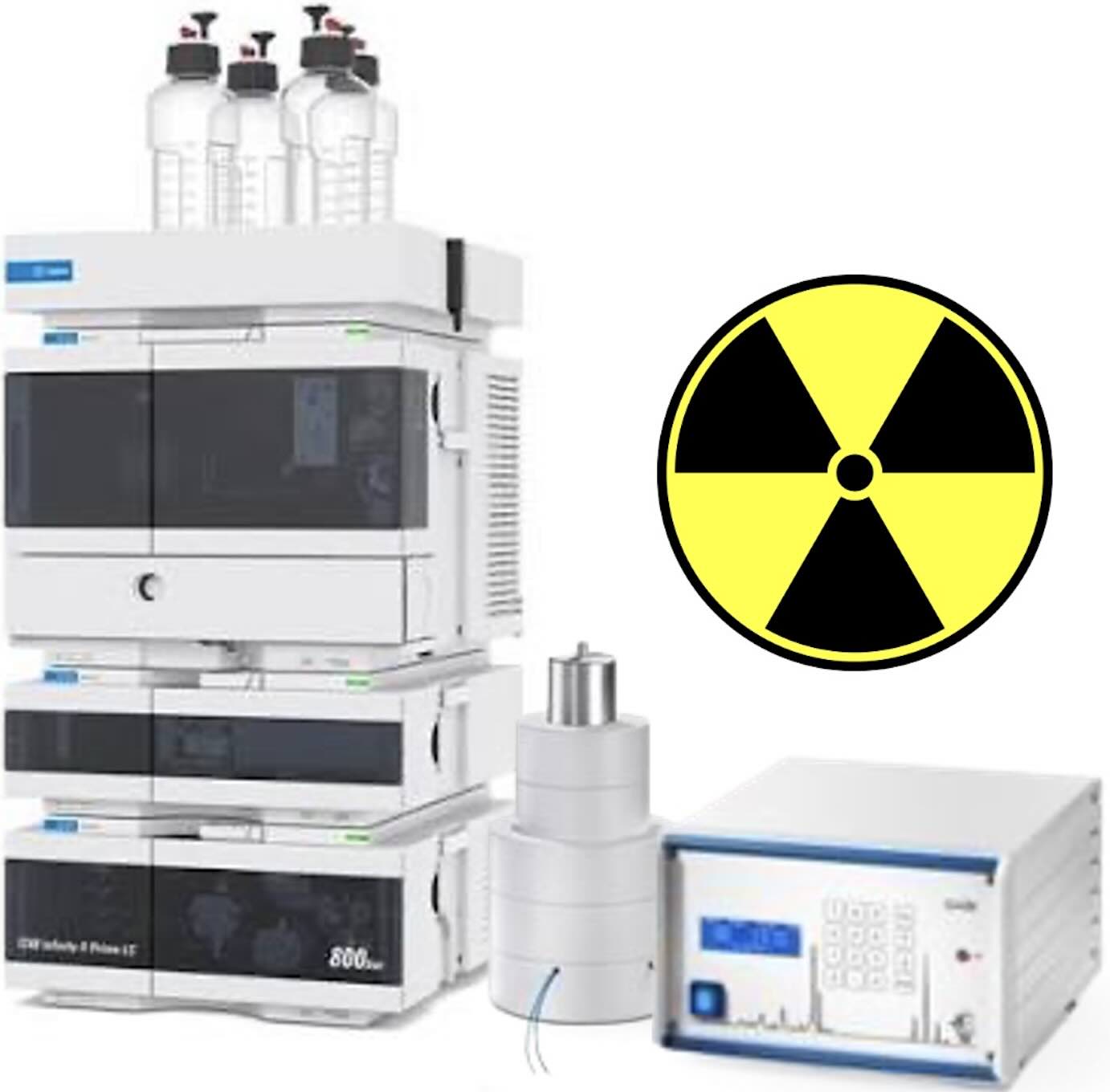
Radio-HPLC places specific demands on method development, detection, validation, and practical laboratory work. I assist Radio-HPLC users and laboratories in understanding, developing, validating, and reliably applying radio-chromatographic methods.
On this page, you will find my key technical articles on Radio-HPLC. If you need support with a specific problem, wish to validate a method, or are looking for a suitable HPLC system with a radio-detector, please feel free to contact me directly.
What I can support you with
You will not receive a generic product recommendation, but rather a professional assessment that takes into account your specific method, your radionuclide, your system, and your laboratory conditions.
I support you and your team with radio-HPLC issues, method development and validation, as well as the selection of the appropriate HPLC system and radio-detector.
In doing so, I combine practical laboratory experience with structured technical analysis, enabling you to make sound decisions and utilize your radio-HPLC system reliably.

Development and optimization of radio-HPLC methods
I support you in the development and optimization of radiochromatographic methods. For example, in selecting suitable chromatographic conditions, balancing run time and separation performance, and practically implementing the method on your HPLC system, while taking radiation protection and validation aspects into account.
Validation of radio-HPLC methods
In addition to the general requirements for analytical procedures, the validation of a radio-HPLC method must also take into account the specific characteristics of the radionuclide, radioactive decay, detection, and radiochemical purity. I can assist you with planning, evaluation, and documentation of your validation, as well as the selection of validation parameters and acceptance criteria.
Selection of the right HPLC system and radio-detector
The choice of HPLC system and radio-detector depends, among other factors, on the radionuclide used, the required sensitivity, the chromatographic resolution, and the requirements regarding radiation protection and laboratory operations. Whether an autosampler or manual injection is used, can have a decisive influence on recovery.
Systematically troubleshooting radio-HPLC problems
Typical issues include:
- unexpected peaks in the radiochromatogram
- low or fluctuating radiochemical purity
- insufficient sensitivity
- recovery issues
- difficulties with detector qualification
Practical Knowledge of Radio-HPLC
The following articles provide a structured introduction to the key topics of radio-HPLC.
Radio-HPLC Basics: The 7 Key Differences from conventional HPLC
Radio-HPLC is more than just conventional HPLC with an additional detector. Radioactive decay, detection, sample quantity, system qualification, radiation protection, and data analysis all transform the entire analytical process.
In this article, you will learn:
- what Radio-HPLC is
- the key differences compared to conventional HPLC
- the roles played by time, detection, and sample quantity
- the regulatory and practical aspects that must be considered
- how radiochemical purity is determined
Radio-HPLC Validation: Best step-by-step guide according to Ph. Eur., ICH Q2(R2), and GMP Annex 3
The validation of radio-HPLC methods requires a separate approach adapted to radiopharmacy. In addition to ICH Q2(R2), Ph. Eur. and GMP Annex 3, the special features of radionuclide, decay and radio detector must also be taken into account.
In this post you will find out:
- which regulations are relevant for radio HPLC validation
- when validation and when verification is required
which validation parameters are particularly important - why recovery should be considered early
how decay corrections and detector properties are included - which content belongs in the validation documentation
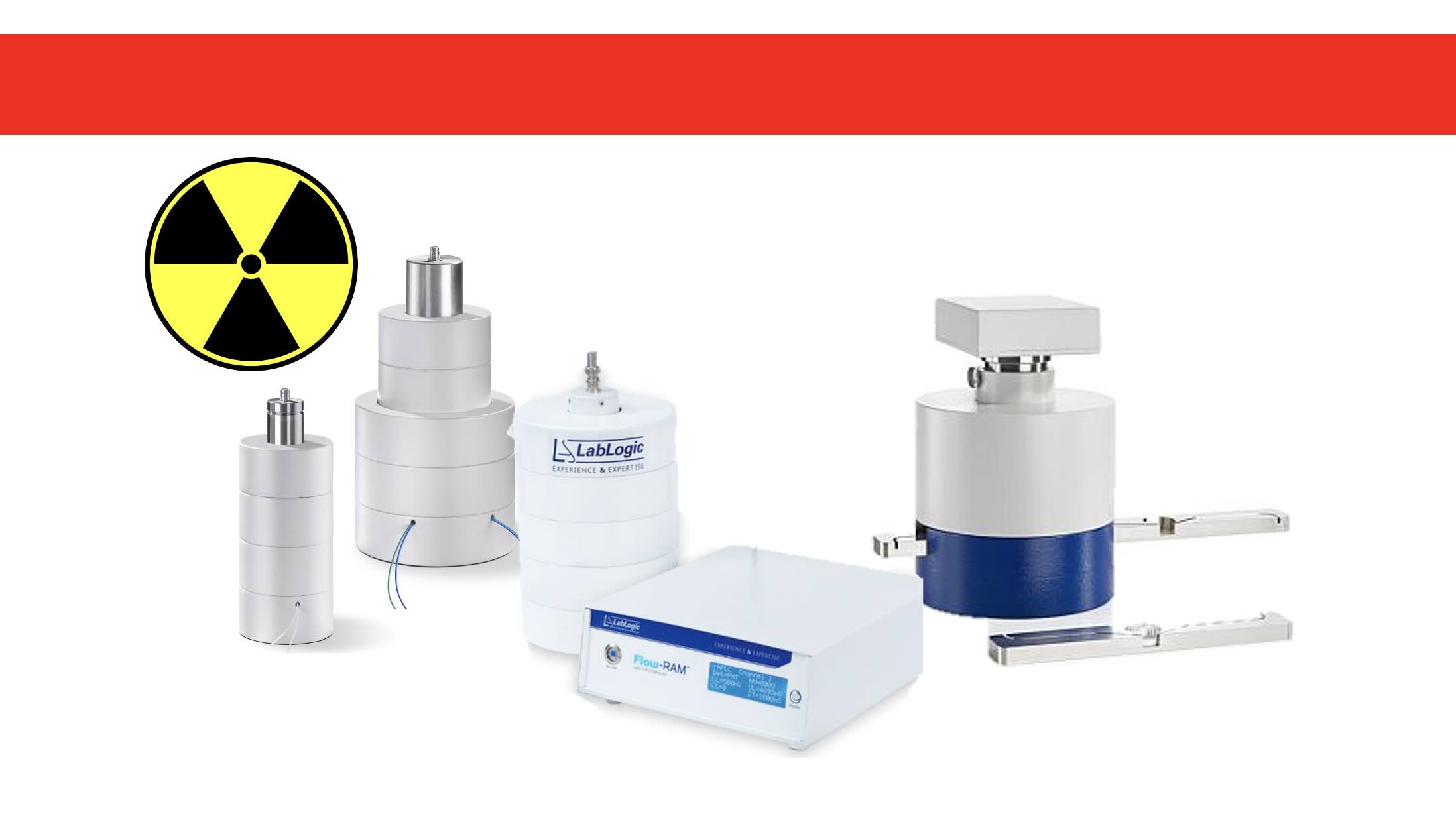
Radio-Detector Radio-HPLC: Which Type is Best for your Laboratory?
The radio-detector is a key component of any radio-HPLC system, influencing the method’s sensitivity, measurement range, and practical applicability.
In this article, you will learn:
- the basic operating principles of radio-detectors
- which four detector types are commonly used
- when NaI(Tl), plastic scintillators, coincidence detectors, or liquid scintillation are appropriate choices
- the role played by flow cell volume and detector sequence
- the advantages and disadvantages of the various systems
Which entry-level is right for you?
Do you want to understand the basics?
Start with the article on the seven key differences between radio-HPLC and conventional HPLC.
→ Read the radio-HPLC basics
You are planning a validation?
Read the guideline on radio-HPLC validation and check which parameters, regulations, and documents are relevant to your method.
→ Read the validation guide
You are looking for a system or a radio-detector?
Use the detector comparison as a starting point and have your specific application professionally evaluated.
→ Discuss system selection
You already have a specific problem?
Describe your method, your observations, and the available data. Together, we will determine what kind of support makes sense.
→ Discuss your radio-HPLC problem

About Dominic Franck
I am Dominic Franck, I have a doctorate in radiopharmacy, I am a radio-HPLC expert and trainer. My focus is on radio HPLC, method development, validation and troubleshooting.
I combine practical experience in pharmaceutical analysis with a structured approach. My goal is not just to give you a single answer, but to help you better assess methods, data and system decisions from a technical perspective.
Frequently Asked Questions (FAQ) about Radio-HPLC support
Do you also assist with the selection of a new radio-HPLC system?
> Yes. I assist you in formulating and evaluating your requirements, as well as in comparing suitable HPLC systems and radio-detectors. In doing so, I take into account factors such as the radionuclide, activity range, required sensitivity, flow cell volume, sample handling, radiation protection, and regulatory requirements.
Can you evaluate existing radio-HPLC methods and validation documentation?
> Yes. I provide a technical evaluation of your methods, validation strategies, protocols, chromatograms, and data analyses. The exact scope is determined in advance. A non-disclosure agreement can be signed for confidential documents.
Do you work only with specific manufacturers or detector types?
> No. You and I work together to find the best solution for your application, your radionuclide, and your analytical requirements. Manufacturers and specific systems are evaluated and selected based on these criteria.
Is support available for teams as well?
> Yes. In addition to individual support, training sessions, workshops, and the joint evaluation of specific methods or system configurations are possible.
How do we get started?
> Schedule a brief initial consultation and describe your application, the specific issue or question at hand, and the current status. Together, we will determine whether a technical discussion, a methodology or validation review, system consulting, training, or long-term support would be the best approach.
Discuss your (radio)-HPLC question.
Do you need support with a (radio-) HPLC method, validation, a problem case or the selection of a suitable system and radio-detector?
Briefly describe your application to me. Together we will clarify the next step.